


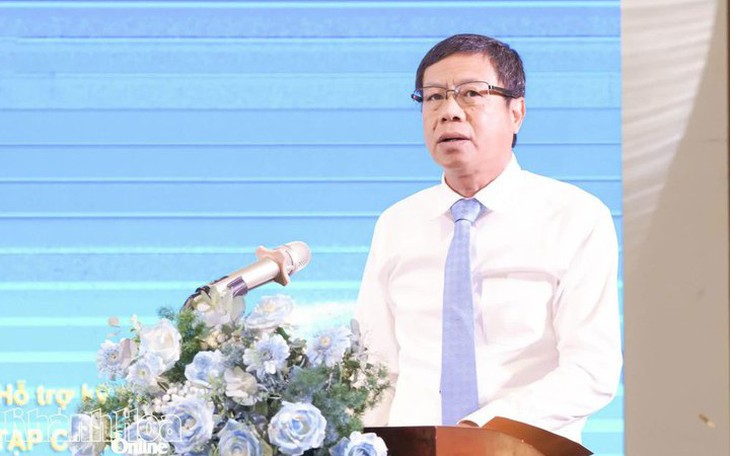
Deputy Minister of Science and Technology Le Xuan Dinh speaks at the workshop
This assertion was emphasized by experts and managers at the scientific workshop entitled "Developing nuclear power for green growth and national energy security," held on the morning of September 21 in Khanh Hoa Province.
The workshop was jointly organized by the Central Propaganda Department, Ministry of Science and Technology, Khanh Hoa Provincial Party Committee, and relevant agencies.
The event took place against the backdrop of rising electricity demand driven by industrial production, digital infrastructure, urbanization, transportation, and daily consumer needs. Simultaneously, Viet Nam faces the imperative to gradually reduce its reliance on fossil fuels, transition toward a clean energy system, and achieve net-zero emissions by 2050.
Within the national energy strategy, nuclear power is framed as a key component of a comprehensive solution to guarantee adequate electricity supplies for socio-economic development, strengthen national self-reliance, advance green growth, and cut carbon emissions.
Resolution No. 70-NQ/TW dated August 20, 2025, issued by the Politburo, identifies firmly ensuring national energy security as a fundamental prerequisite for national development. Resolution No. 57-NQ/TW underscores science, technology, innovation, and digital transformation as major drivers for rapid and sustainable growth.
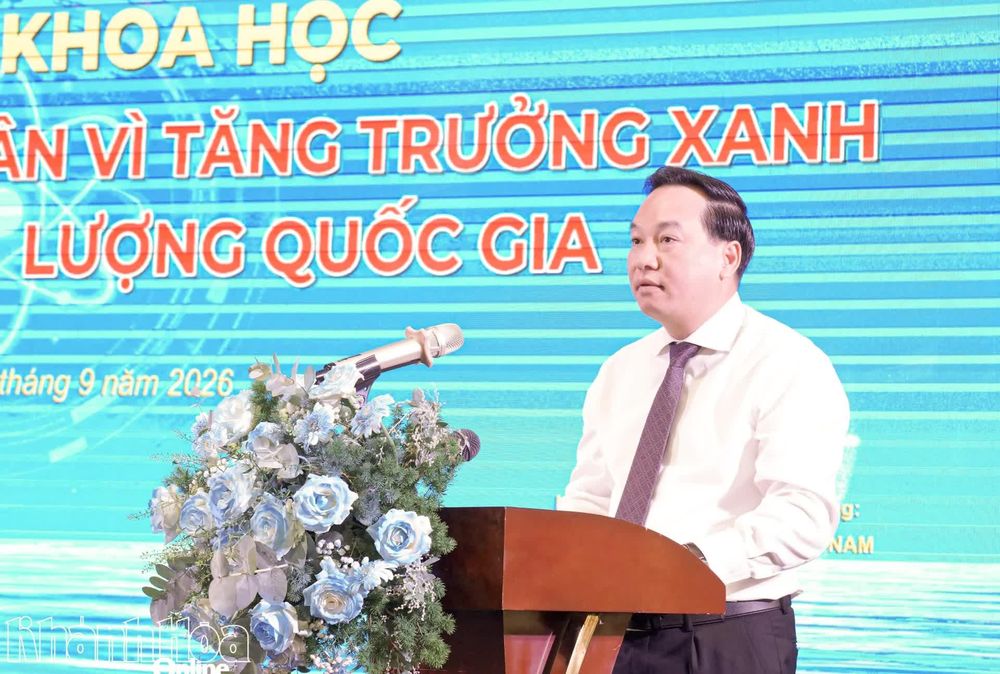
Mr. Ho Xuan Truong, Permanent Deputy Secretary of the Khanh Hoa Provincial Party Committee, speaks at the workshop.
Furthermore, National Assembly passed Resolution No. 174/2024/QH15 approving the continued implementation of the Ninh Thuan Nuclear Power Project, and promulgated special policies and mechanisms under Resolution No. 189/2025/QH15. The adjusted Power Development Plan VIII (PDP8) has officially incorporated nuclear power into the long-term national power mix.
Developing nuclear power is a strategic orientation
At the workshop, Deputy Minister of Science and Technology Le Xuan Dinh affirmed that energy serves as a key pillar for national development. The Resolution of the 14th National Party Congress established the development of nuclear power as a strategic, long-term policy aimed at safeguarding national energy security and driving rapid, sustainable growth.
According to the Deputy Minister, to fulfill the objective of becoming a developed, high-income country by 2045, Viet Nam must ensure a reliable power supply for industrialization, modernization, and digital transformation, while simultaneously transitioning toward a green, clean, and low-emission energy system.
Mr. Ho Xuan Truong, Permanent Deputy Secretary of the Khanh Hoa Provincial Party Committee, noted that the Ninh Thuan 1 and Ninh Thuan 2 Nuclear Power Plants are Viet Nam's first nuclear energy projects, hosted within the province. This represents both an honor and a significant responsibility for the Party Organization, administration, and citizens of Khanh Hoa.
Mr. Ho Xuan Truong added that the projects carry vital importance not only for national energy security, but also for opening up new opportunities in high-tech industry, technical services, logistics, and high-quality workforce training at the local level.
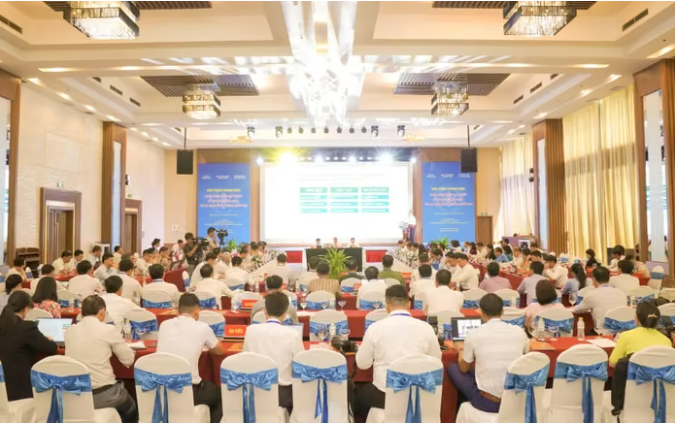
An overview of the workshop.
Over the past period, the province has focused on accelerating land clearance and preparing the necessary conditions for implementation. The Standing Committee of the Provincial Party Committee directed the establishment of a working group under the Provincial People’s Committee to directly address obstacles and grievances, strengthen technical staff in project-affected localities, and step up public communication to foster consensus.
Building national capacity in technology and human resources
At the workshop, delegates analyzed nuclear energy’s capability to provide large-scale, reliable, and low-carbon electricity. This power source plays a critical role in supplying baseload power, maintaining grid stability, and complementing variable renewable energy sources.
Experts also discussed technological trends regarding next-generation reactors and Small Modular Reactors (SMRs), the specific requirements facing Viet Nam, and international experiences in implementing nuclear power programs. These discussions provide crucial technical foundations for future technology selection.
Delegates agreed that developing nuclear energy extends beyond constructing power plants - it entails building national capabilities in science, technology, and human resources.
Viet Nam needs to cultivate a skilled talent pool of experts, engineers, and technical personnel, while enhancing domestic capabilities in research, management, design, manufacturing, construction, operation, and maintenance. Knowledge transfer, the development of scientific and technological institutions, and supporting industries must be implemented in a synchronized manner.
Alongside technological imperatives, the Ninh Thuan Nuclear Power Project must be linked with protecting the legitimate rights and interests of local communities and improving livelihoods in project areas. This also presents an opportunity for the locality to invest in infrastructure, develop human resources and services, nurture supporting industries, generate employment, and create new drivers for economic growth.
Providing scientific and objective information
A major topic of discussion at the workshop focused on translating scientific knowledge into public awareness, innovating communication methods regarding nuclear power, and fostering public consensus on key national science and technology infrastructure projects.
According to delegates, information regarding nuclear power must be provided in a scientific, objective, comprehensive, and timely manner - clearly explaining the benefits, implementation conditions, and issues requiring further study. This ensures the public has an accurate foundation to understand and constructively participate in discussions regarding the national nuclear energy program.
Concluding the workshop, Mr. Ngo Dong Hai, Deputy Head of the Central Propaganda Department, noted that delegates reached a strong consensus on core issues, reaffirming the necessity and strategic significance of nuclear power for the country’s future development.
He stated that to ensure energy security, maintain grid stability, and fulfill the Net Zero commitment by 2050, nuclear power represents an indispensable solution within the national power structure. The presentations at the workshop clarified the essential role of nuclear energy in guaranteeing power capacity, reducing emissions, and integrating effectively with renewable energy sources./.
